
What is the difference between bronde, ombre and sombre?
Playing with colors, the most fun thing to do as a hairdresser, right?! A little of this, a little of that, mixing and creating a unique color result – that is the art of hairdressing! That makes you a craftsman or -woman as a hairdresser and is the reason for the customer to take a seat in your chair.
The nice thing is that new techniques or variations on existing color techniques are discovered and invented all the time. Color techniques with color gradients, such as dip-dyes, balayage, highlights. Bronde, ombre and sombre are the effects you can create with them. The different techniques are easy to distinguish from each other, but do you also know the differences between the achievable effects bronde, ombre and sombre? You can read more about it in this blog!
Bronde
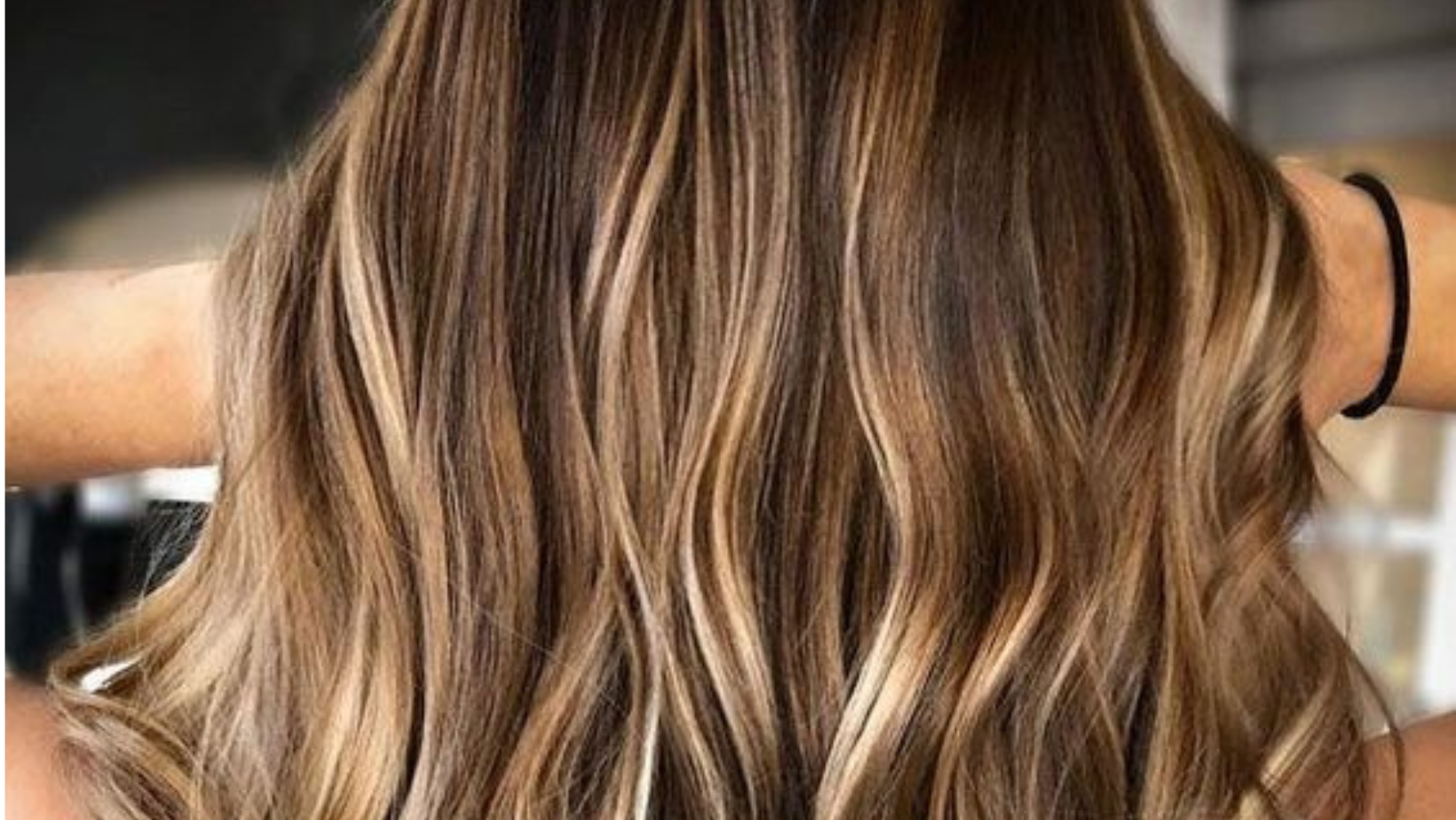
Bronde hair color is a natural blend of blonde and brown hair. For years, and actually increasingly in recent years, we have mainly drawn our color inspiration from nature. Soft shades like brown and beige are always prevalent in hair and beauty trends.
This bronde color technique is not new, but has recently made a comeback. Celebrities like Beyoncé and Dutch influencer Anna Nooshin recently showcased their 'bronde' locks, making this hair color popular again.
How do you create the bronde look? It takes some time, but the result is beautiful. Usually, a brown base is chosen, over which blonde nuances are applied throughout the lengths. Bronde is applicable to many hairstyles; long locks or slightly shorter, curly or straight hair. It makes your haircut warm, deep in color, and vibrant.

Ombre
Ombre means 'shadow' in French. You create this shadow at the roots with traditional ombre coloring. You use two different colors; a dark natural color at the roots is combined with a lighter or brighter accent color at the ends of the hair. You create the lighter shade by bleaching, which you can then color.
The color distribution in ombre is therefore horizontal. A reverse ombre is also possible, by the way! In this case, the hair ends are darker and the hair roots are lighter.
In any case, look for a beautiful and striking contrast between the roots and ends and let the separation between the colors be clear. That contrast, which is so typical for the ombre technique, can be quite bold! An ombre effect looks best on medium-length and long hair.
Sombre
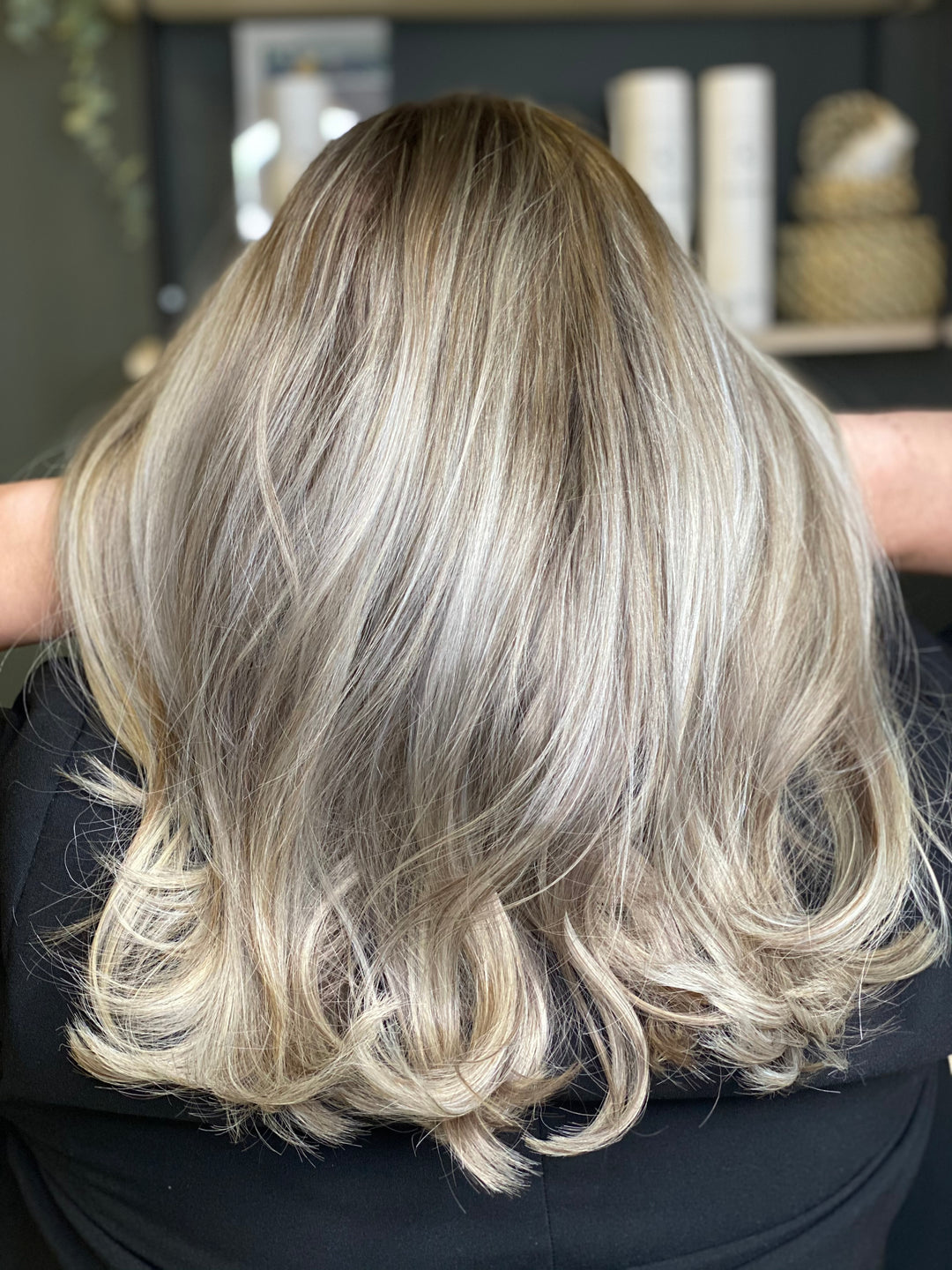
Sombre is a combination of 'soft' and 'ombre'. With the sombre technique, you create a more subtle transition of colors and a more natural look than with the ombre technique. With sombre, you work with more than 2 different shades/color levels, but these are of the same color.
The shade at the roots is subtly interwoven through the lengths, so that there is no abrupt contrast between the roots and ends, as is the case with ombre. The sombre technique looks best on longer locks.

All inspiring techniques, we think! You can go in so many directions with them. Do you already have a customer in mind for whom you will apply one of these techniques? We are curious!
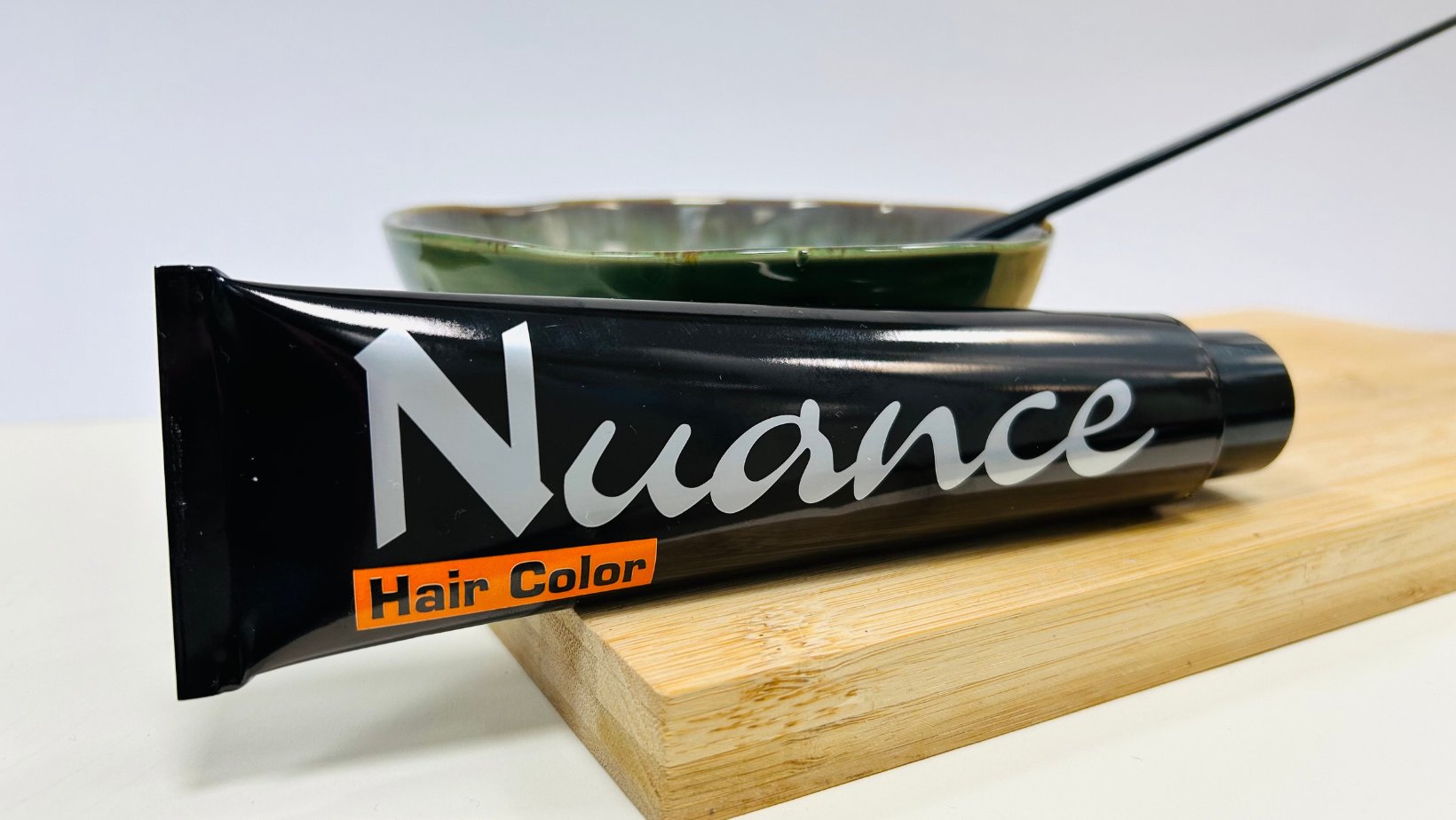
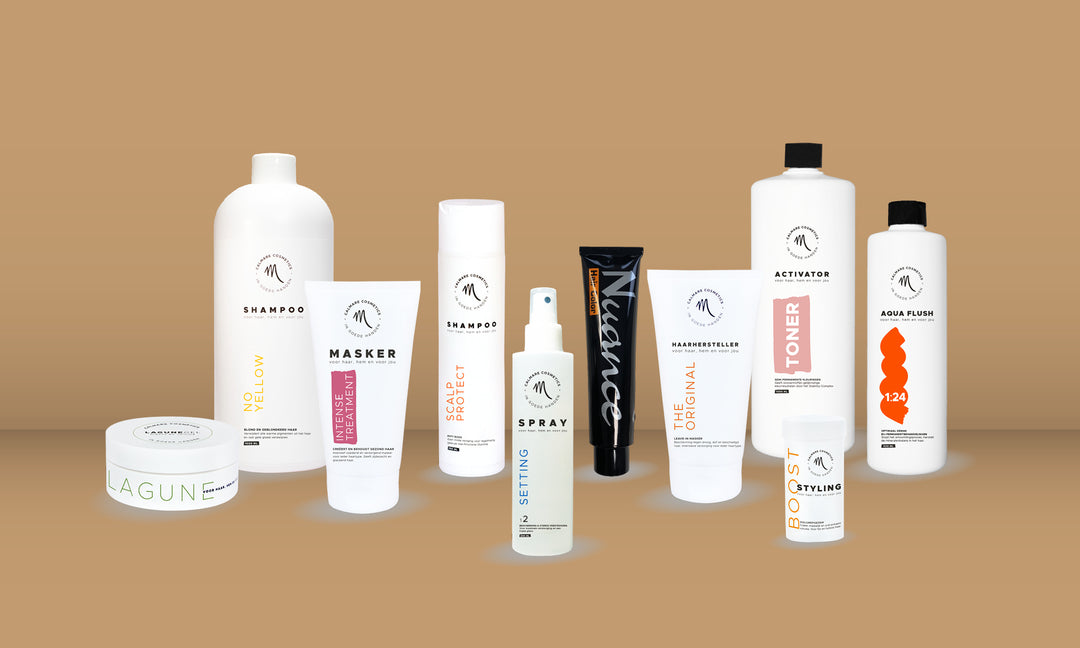
Looking for a good color line or a fine bleaching product? Read more about Calmare Cosmetics Brilliant Blond Bleaching Powder or about our Nuance hair dye.
Source: https://pin.it/61iEjl5, www.elle.com, www.hairmotiv.com


Leave a comment