

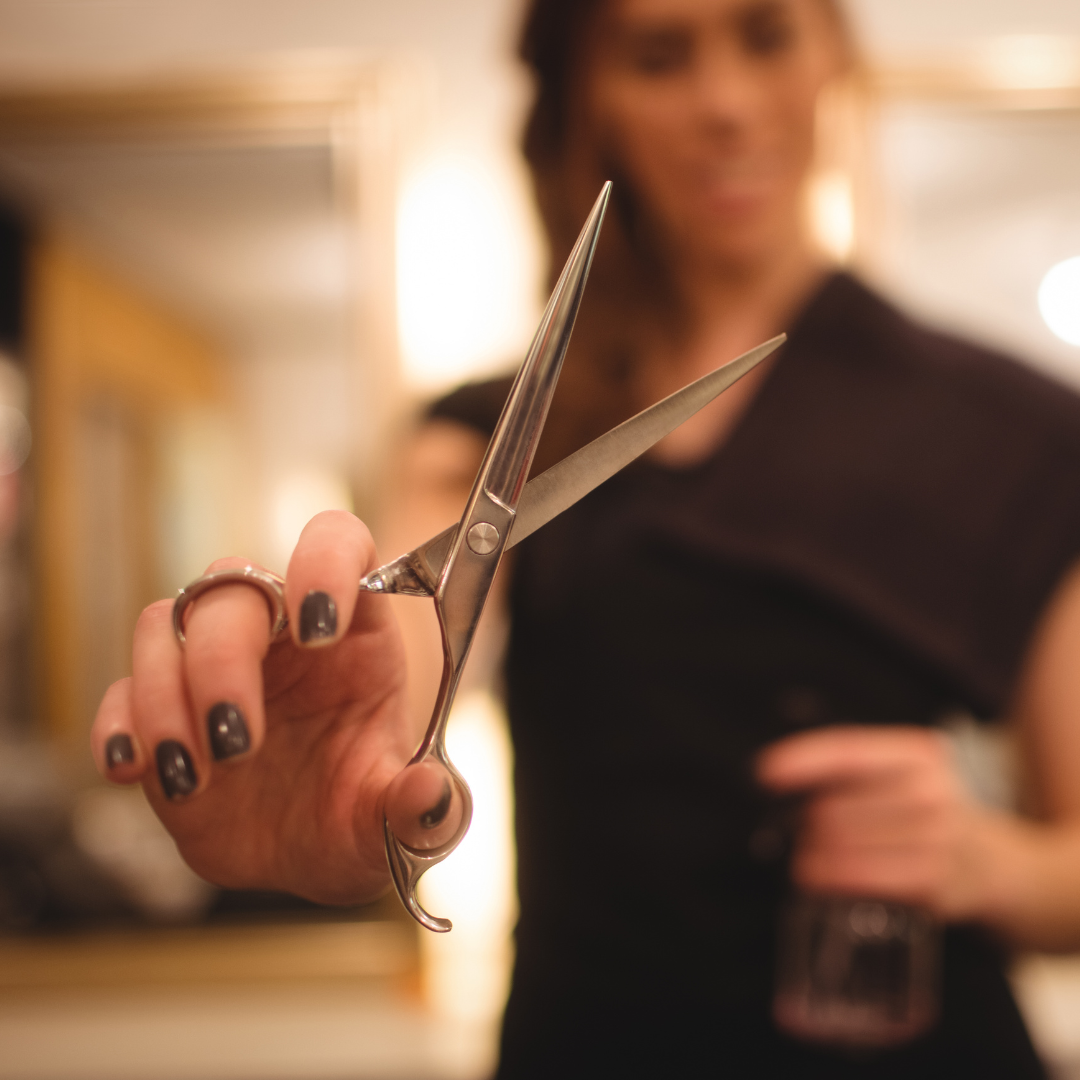
Hairdresser's Eczema: Causes, Symptoms, and Treatment for Hairdressers
As a hairdresser, you are exposed daily to water, shampoo, hair dye, and other chemical products. This constant contact with irritants can lead to hairdresser's eczema, a common skin condition in the hairdressing industry. It is estimated that 40% of hairdressers suffer from this condition.
But what exactly is hairdresser's eczema, how does it develop, and what can you do about it? Read on to learn everything about hairdresser's eczema and how to treat and prevent it.
What is Hairdresser's Eczema?
Hairdresser's eczema is a form of contact eczema common among hairdressers. It arises from prolonged exposure to irritating substances such as water, shampoos, hair dyes, and bleaches. There are two forms of hairdresser's eczema: irritant contact eczema and allergic contact eczema.
Irritant Contact Eczema
This type of eczema occurs due to repeated contact with irritating substances that damage the skin barrier, such as water and chemicals in hair products. The skin becomes irritated and dry, which can lead to eczema.
Allergic Contact Eczema
Allergic contact eczema occurs when the body develops an allergic reaction to certain substances in hair products, such as fragrances, preservatives, or dyes like PPD. This reaction can worsen after repeated exposure.
Symptoms of Hairdresser's Eczema
Hairdresser's eczema usually appears on the hands and wrists. Symptoms can vary, but the most common complaints include:
- Redness and itching: The skin becomes irritated and often itchy.
- Dry, flaky skin: The skin becomes dry and flaky.
- Blisters: Small blisters can form and often burst.
- Painful fissures: These can be painful and in some cases cause infections.
- Swelling and irritation: The skin can swell and become sensitive.
In severe cases, the symptoms can be so severe that a hairdresser may be temporarily unable to work.

How to prevent hairdresser's eczema?
Fortunately, there are several measures hairdressers can take to prevent and treat hairdresser's eczema. Below are some practical tips to protect the skin from this unpleasant condition.
1. Protect your skin with gloves
Always wear gloves when washing, coloring, and treating hair. Nitrile gloves are ideal because they are less likely to cause allergic reactions than latex gloves. Make sure to change your gloves regularly and never wear them wet.
2. Take good care of your skin
Do not wash your hands with water that is too hot, as this dries out the skin. Use a mild, unscented hand soap and dry your hands thoroughly. Regularly apply a rich, unscented hand cream to protect your skin from dehydration.
3. Avoid allergens
Use hypoallergenic hair products whenever possible. If you notice your skin reacting to certain products, get tested for allergies. Try to vary your tasks so that your hands are not constantly in contact with water and chemicals. Also, reverse the order of treatments: start with color treatments and then cut the hair to minimize exposure to freshly colored hair.
4. Consult a Specialist
If the symptoms of hairdresser's eczema persist or worsen, it is advisable to consult a doctor or dermatologist. They can recommend medical creams or other treatments and advise you on managing your allergies.
Conclusion: Protection and prevention against hairdresser's eczema
Hairdresser's eczema is a common problem in the hairdressing industry, but with the right measures, you can significantly reduce the risk. By properly protecting your skin, carefully choosing products, and regularly caring for your hands, you can effectively prevent and treat hairdresser's eczema.
Do you have experience with hairdresser's eczema? Share your tips and experiences in the comments below!


Leave a comment